
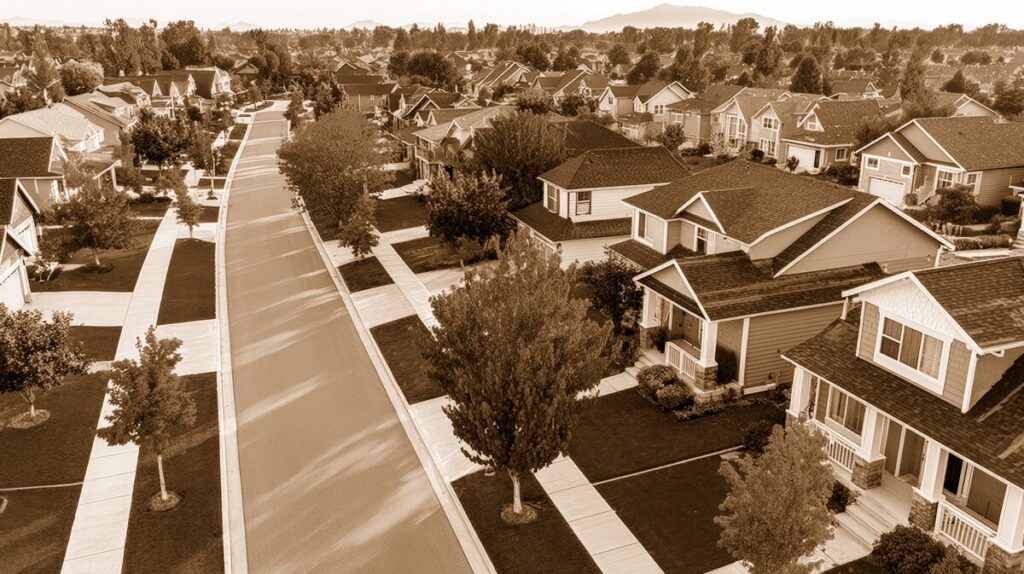
Nestled in the heart of Shoreview, the McCullon neighborhood radiates both timeless charm and close-knit community spirit. For those who have called McCullon home—or even just strolled its leafy streets—there’s a sense of continuity and pride that simply can’t be found elsewhere. Here, we journey through McCullon’s past, discovering how its name came to be, the milestones that have shaped its landscape, and what makes this neighborhood remain so beloved amid change.
Origins: Humble Beginnings on the Edge of the Lakes
The land that is now McCullon was once quiet, open countryside dotted by cottonwood trees and traces of the area’s first peoples, the Dakota and Ojibwe. The neighborhood’s first chapter was written in the early 1900s, as families seeking room to grow migrated north from St. Paul’s expanding city limits.
Early development clustered near the intersection of McCullon Drive and Victoria Street North—a crossroads that still serves as a vibrant entry point today. The area saw its first platting shortly after World War I, with modest bungalows and farmhouses springing up, providing tranquil acreage within a manageable commute to both industrial and downtown St. Paul.
How McCullon Got Its Name
The name “McCullon” honors Patrick McCullon, an Irish immigrant and one of the neighborhood’s earliest settlers. Patrick established a dairy farm in 1912 along what is now McCullon Lane, close to Lake Wabasso’s shimmering shore. As his family became fixtures in the area, supplying fresh milk to local grocers and hosting legendary barn dances, the pocket of homes and fields became known as “McCullon’s Corner”—later simply “McCullon.”
Today, a commemorative plaque near the original McCullon Lane farmstead (now a part of McCullon Park) marks Patrick’s contributions, and his namesake lives on in the very fabric of the community.
Key Historical Milestones
- 1920s-1940s: Growth and Self Sufficiency
As electricity and paved roads extended north, McCullon flourished with small businesses—such as the Corner Feed & Seed on Edgewater Avenue—and expansion of McCullon Elementary, built in 1928. The Great Depression tested the community, but local residents like the Henshaw and Kincaid families organized food drives and barn-raising days, cementing a culture of cooperation.
- Postwar Suburban Boom
The 1950s and 60s brought Shoreview’s suburban surge. Farmland gave way to tidy ranch homes and split-level properties, especially along Willow Street and Brentwood Drive. The construction of McCullon Park in 1965 provided ample green space and established a tradition of annual 4th of July picnics—complete with pie-eating contests and live music.
- Civic Engagement: The McCullon Neighborhood Association
Formed in the 1970s, this group championed everything from traffic calming on Victoria Street to creek clean-ups around Wabasso Lake. Their advocacy ensured sidewalks were added along County Road E and oversaw the preservation of the old McCullon Schoolhouse, now a beloved venue for local events.
- Modern Renewal and Preservation
In recent decades, McCullon has embraced thoughtful new builds while fiercely protecting its mature oaks and midcentury landmarks. Programs to restore historic facades—like those at the former Post Office on Willow—balance the old with the new. The addition of the McCullon Community Garden in 2010 signaled a renewed commitment to both sustainability and community spirit.
Notable Landmarks and Institutions
- McCullon Park: The green heart of the neighborhood, this park offers playgrounds shaded by ancient elms, a well-used walking loop, and benches where longtime residents often share neighborhood tales.
- Historic McCullon Schoolhouse: Rescued from demolition in the late 1970s, this one-room school sits at the corner of Willow Street and Brentwood. It now hosts everything from holiday craft fairs to Scout meetings and is adorned every spring with tulips planted by fourth graders from nearby Edgerton Elementary.
- Edgewater Community Center: Adjacent to the neighborhood, this lively hub offers fitness classes, youth sports, and events—a testament to the continued legacy of gathering space in McCullon.
- St. Columba’s Chapel: Dating back to 1954, the quaint chapel on Victoria Street serves as both a place of worship and a gathering space for multicultural heritage celebrations.
Evolution with Roots Intact
Ask any McCullon resident what’s special about their neighborhood, and you’ll hear a common refrain: “We remember where we came from.” Even with new families moving in and old homes being lovingly renovated, there’s a continuous thread of tradition.
- Streets like Willow and McCullon Lane still host autumn block parties—some families have attended for four generations.
- Local artists have created mural projects with themes that honor both native wildlife and the area’s immigrant history.
- Efforts to preserve walking trails along the former dairy route keep the spirit of Patrick McCullon alive for both joggers and historians.
Looking Ahead
Today, McCullon balances the challenges of modern living—need for connectivity, sustainability, and diversity—with a deeply ingrained respect for its roots. Whether you’re enjoying a quiet walk past its storybook homes, volunteering at the community garden, or catching up with neighbors at McCullon Park’s summer concert series, you become part of something bigger—a living heritage shaped by countless hands and open hearts.
McCullon isn’t just a neighborhood—it’s a testament to the power of community, the value of local history, and the tradition of welcoming all who come in search of home.